A single-vehicle pet pickup operation can generate $8,000 to $15,000 per month in gross revenue with operating margins between 40% and 55%. The key economic levers are call capture rate, average ticket value, and route density.
The Revenue Model
The average pet pickup service in a metro area of 500,000+ people handles 80 to 120 pickups per month at an average ticket of $125 to $200, depending on whether cremation is bundled or billed separately.
Pet aftercare transport is a recurring-demand business. Animals pass away at a predictable rate relative to population and pet ownership density. In a city of 500,000, roughly 12,000 pets die each year. Even capturing 1% of that volume generates 120 annual pickups, or 10 per month, from a single market.
The revenue model breaks into two streams:
| Revenue Stream | Avg. Ticket | % of Revenue |
|---|---|---|
| Transport Only (pickup + delivery to crematory) | $75 - $125 | 35% |
| Bundled Package (pickup + private cremation + urn) | $175 - $350 | 65% |
Bundled packages generate higher revenue and higher margins because you are coordinating the cremation on behalf of the family. Crematories typically offer wholesale rates to volume partners, creating a $50 to $100 margin on the cremation itself.
Cost Structure: Fixed and Variable
Understanding your cost base is critical for pricing decisions and growth planning.
Fixed Monthly Costs:
| Fixed Cost | Monthly |
|---|---|
| Vehicle payment | $400 - $700 |
| Commercial auto insurance | $300 - $500 |
| Fuel and maintenance | $200 - $400 |
| AI call handling / phone system | $50 - $200 |
| Website and marketing | $100 - $300 |
| Business insurance (general liability) | $100 - $200 |
| Total Fixed | $1,150 - $2,300 |
Variable Costs Per Pickup:
| Variable Cost | Per Pickup |
|---|---|
| Containment supplies | $5 - $15 |
| Cremation wholesale (if bundled) | $50 - $100 |
| Sanitization supplies | $2 - $5 |
| Labor (if using employees) | $25 - $50 |
| Total Variable | $82 - $170 |
Unit Economics: The Solo Operator
For a solo operator handling 60 pickups per month with an average ticket of $150:
- Gross Revenue: $9,000
- Variable Costs: $5,400 (at $90 avg per pickup)
- Gross Margin: $3,600
- Fixed Costs: $1,800
- Net Operating Income: $1,800
- Operating Margin: 20%
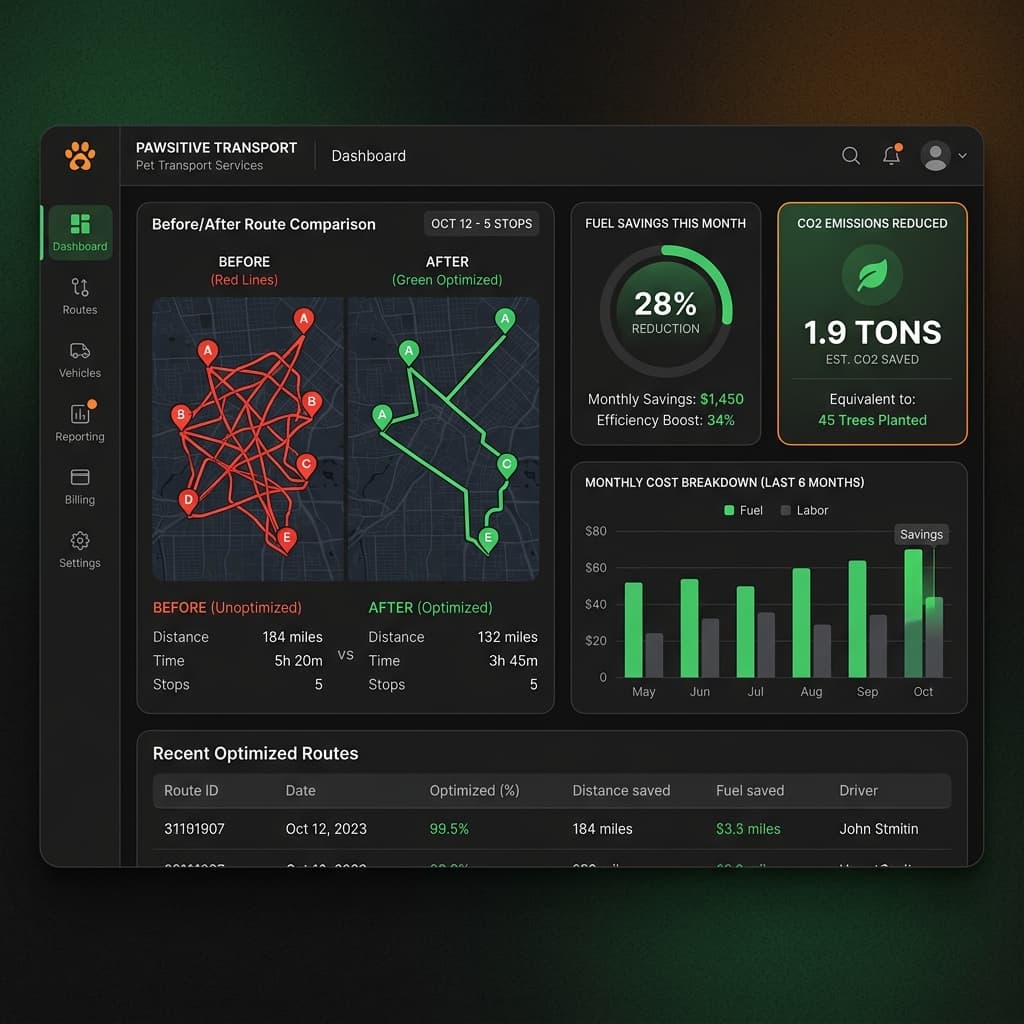
The scaling lever: Operating margin improves dramatically with volume. At 100 pickups per month, the same fixed cost base produces a 35% operating margin because fixed costs are spread across more jobs. Route density, the number of pickups per driving hour, is the single biggest efficiency factor.
To reach 100+ pickups per month, you need either a larger service area, more veterinary partnerships, or both. Most operators hit this milestone by expanding from one metro area to adjacent suburban markets and adding a second vehicle.
Pricing Strategy
Pricing in pet aftercare is less price-sensitive than most service industries because families in grief do not comparison shop. They call, they need help, and they accept reasonable pricing without negotiation.
That said, pricing too high without justification erodes clinic trust. Veterinarians will stop referring you if families complain about unexpected charges.
Pricing principles:
The most common pricing mistake is charging an after-hours surcharge. This penalizes families for something they cannot control and contradicts your 24/7 availability promise. Build after-hours costs into your base pricing instead.
Growth Milestones
| Milestone | Monthly Pickups | Vehicles | Revenue |
|---|---|---|---|
| Startup | 20 - 40 | 1 | $3,000 - $6,000 |
| Established | 60 - 100 | 1 - 2 | $9,000 - $15,000 |
| Regional | 150 - 300 | 3 - 5 | $22,000 - $45,000 |
| Multi-Market | 500+ | 8+ | $75,000+ |
Each stage brings different operational challenges. The jump from 1 to 2 vehicles is the hardest because it requires hiring your first employee and trusting someone else to represent your brand during the most sensitive interactions imaginable.
Scaling Your Pet Pickup Strategy
Whether you are handling occasional calls or launching a dedicated pet aftercare transport fleet, the primary hurdle remains acquiring and holding routes. Most independent pet pickup services severely under-market direct to consumers. When families search for "pick up pet" during a spontaneous off-hours emergency, whoever answers the phone immediately captures the job.
By executing the unit economics above—pricing correctly to protect your margin and guaranteeing you can answer live 24/7—you can successfully dominate the pet pickup market in your region while drastically outearning traditional courier volume.
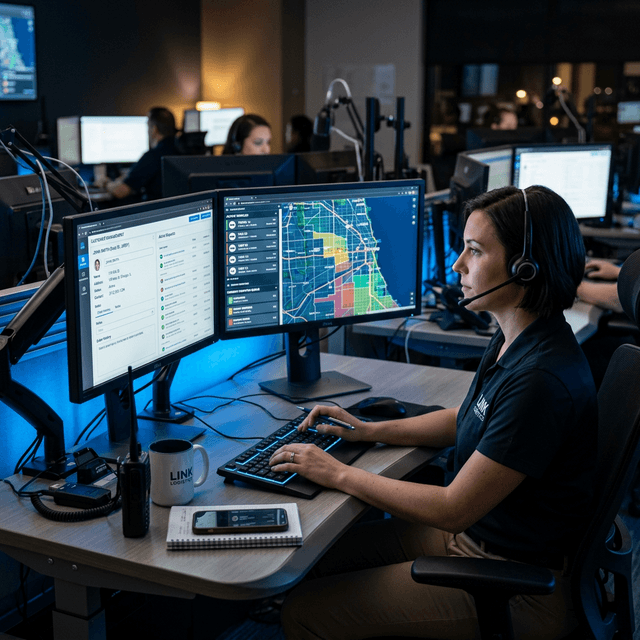
If you want to handle more pet pickup calls without losing sleep or hiring full-time night dispatchers, explore our Platform Pricing to deploy an AI agent that answers your pet aftercare transport calls and dispatches drivers automatically.
Keep reading: