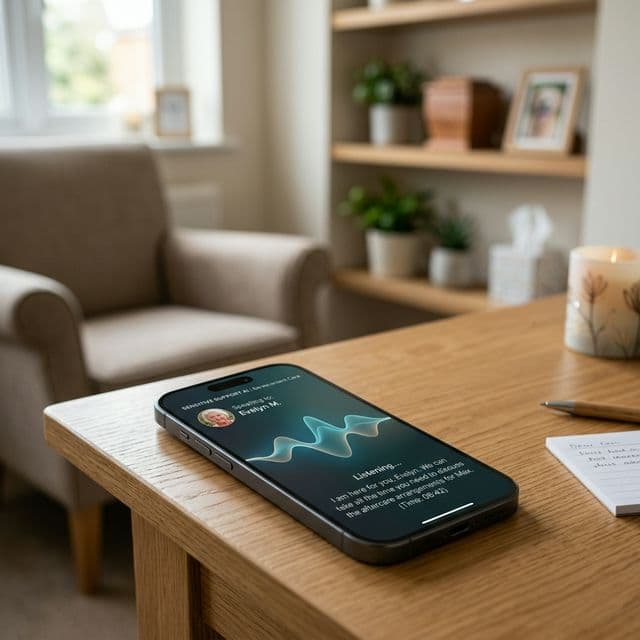
Every specialist on your team represents your brand during the most emotionally intense moment of your client's experience. Structured training in grief communication, professional conduct, and situational awareness is not optional. It is the foundation of your reputation.
Why Training Matters More Here Than Anywhere Else
In pet aftercare, 1 negative interaction generates an average of 7 negative word-of-mouth mentions. A positive interaction generates 3.2 positive referrals. The asymmetry means that training failures compound far faster than training successes.
Hiring a good driver with a clean record is step one. But driving and logistics are the easy parts. The hard part is showing up at a family's home at midnight, looking them in the eye while they cry, and handling their beloved pet with the care and dignity they expect.
This cannot be improvised. It must be trained, practiced, and reinforced through consistent standards and feedback loops.
Core Training Modules
Every new specialist should complete these five modules before their first solo pickup:
Total training time: approximately 20 hours spread across 1 week. This investment pays for itself immediately because the cost of a single bad client experience (lost referrals, negative reviews, potential complaints) far exceeds 20 hours of training wages.
Communication Scripts and Guidelines
Scripts are starting points, not rigid requirements. Train specialists to internalize the principles so they can adapt naturally.
Arrival: "Hi, I am [name] from PetPickupNow. I am so sorry about [pet name]. I am here to help."
Before handling the pet: "Would you like a few more minutes? There is no rush at all."
During handling: (Silent, careful, deliberate movements. No rushing, no unnecessary talking.)
Departure: "[Pet name] is in good hands. Here is my card with the aftercare timeline. You will hear from us within [X] days when everything is ready. Please call anytime if you have questions."
The golden rule of grief communication: Let the family lead the conversation. If they want to tell you about their pet's life, listen. If they want silence, be quiet. If they want details about what happens next, explain calmly. Never impose your pace on a grieving person.
Professional Conduct Standards
Beyond emotional intelligence, specialists must maintain strict professional standards:
Ongoing Training and Feedback
Initial training is the foundation, but skill development must continue throughout employment.
Monthly: Review any client feedback (positive and negative) with each specialist individually. Celebrate wins and address concerns without blame.
Quarterly: Run a new scenario-based role play session. Rotate scenarios: pet that passed from a long illness, sudden death, roadside recovery, vet clinic pickup with multiple families waiting.
Annually: Full refresher on all five training modules. Update scripts and procedures based on what you have learned from the previous year's pickups.
Create a culture where specialists feel comfortable asking for help or reporting situations that were emotionally difficult for them. Compassion fatigue is real in this industry. Specialists who handle 5 to 10 grieving families per week need emotional support themselves. Consider offering access to a counseling benefit or peer support group.
The Conversation Scripts That Families Remember
Technical competence alone is not sufficient for pet aftercare work. Your team members must be prepared for emotional conversations that most service industries never encounter. A family who calls after finding their dog has passed overnight is grieving. They may be crying, they may be angry, or they may be completely numb. Your team member is often the first person they speak to.
Training should include specific conversation frameworks. The opening should acknowledge the situation directly: "I am so sorry about your loss. I am here to help you through this." Avoid platitudes like "they are in a better place" or "at least they are not suffering." These phrases feel dismissive to grieving families even when well-intentioned.
Active listening is the most critical skill. Let the family talk about their pet if they want to. A two-minute story about how the dog loved car rides or the cat once knocked over a Christmas tree is not wasting time. It is the family processing their grief, and your patience in that moment is what turns a service transaction into a meaningful human interaction that they will remember and recommend to others.
Practical information should be offered gently: "When you are ready, I can walk you through the next steps. There is no rush." Then explain the pickup process, the aftercare options (cremation, burial, memorial), and the timeline clearly. Families in grief need straightforward information delivered with warmth, not sales pressure.
Keep reading: