Pet loss does not follow business hours. Weekend and after-hours calls represent thirty to forty percent of residential crematory intake volume. Operators who answer with compassionate AI intake and instant driver routing capture families that would otherwise book with the competitor who picked up on the first ring.
Why Weekends Dominate Pet Loss Volume
Natural passing, home euthanasia appointments that run late, and the emotional decision to "wait until we're ready" all push pet loss calls into evenings and weekends — when most crematory offices are closed.
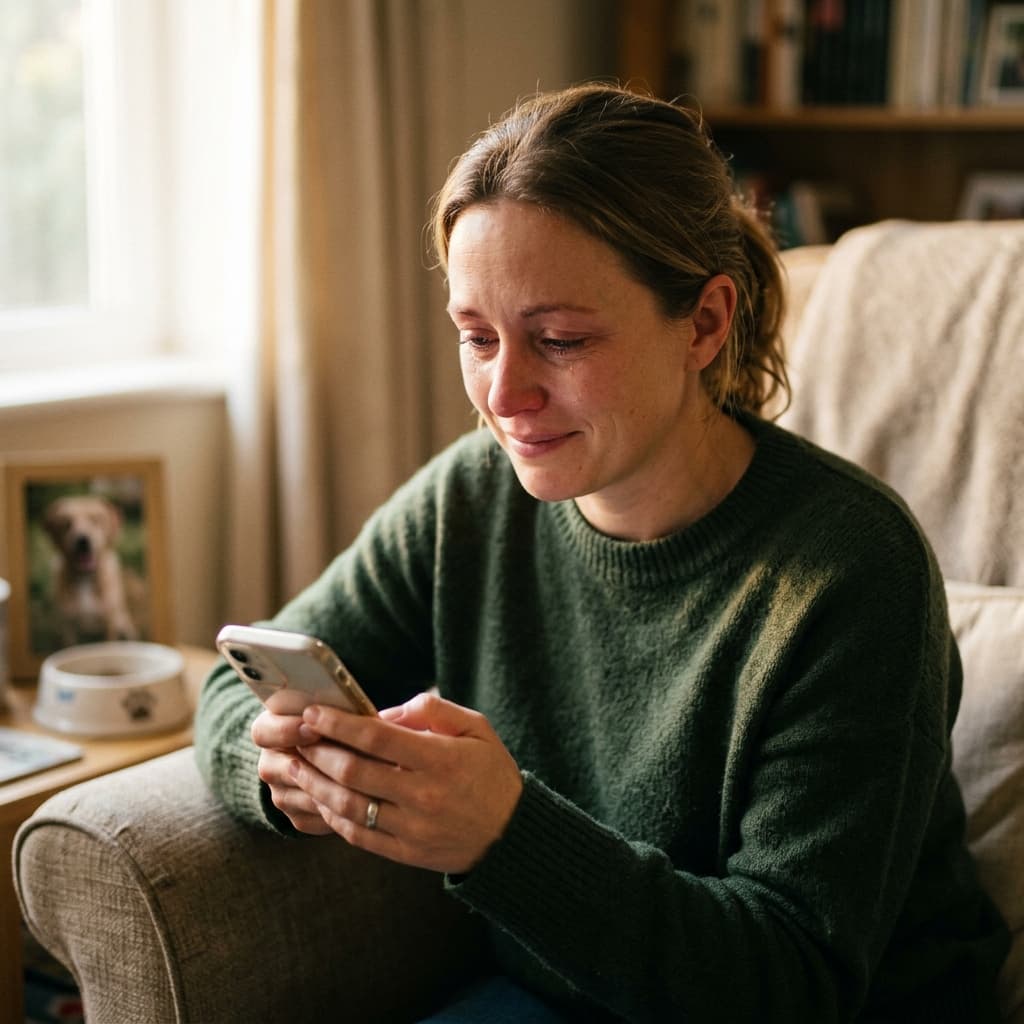
Families do not plan pet loss on a schedule. A dog who has been declining for weeks may pass peacefully on Saturday afternoon while the owner is home. A cat euthanized at an emergency veterinary clinic on Sunday evening needs pickup before the clinic closes for the night. These callers are grieving, often alone, and searching for immediate guidance on what to do next.
When a family calls and reaches voicemail instructing them to "call back Monday," the emotional abandonment is immediate. They hang up, search again, and book with whoever answers.
The Weekend Intake Workflow
A complete pet loss intake call must balance compassion with logistics. Rushing a grieving caller feels callous; asking too many questions feels bureaucratic. The optimal weekend intake follows a structured but gentle sequence:
- Warm greeting: slow tone, facility name, immediate acknowledgment of loss.
- Pet identification: name, species, approximate weight, and whether passing has occurred or is imminent.
- Location capture: home address with GPS validation, apartment or gate access notes.
- Service selection: private cremation, communal cremation, or general guidance if the family is unsure.
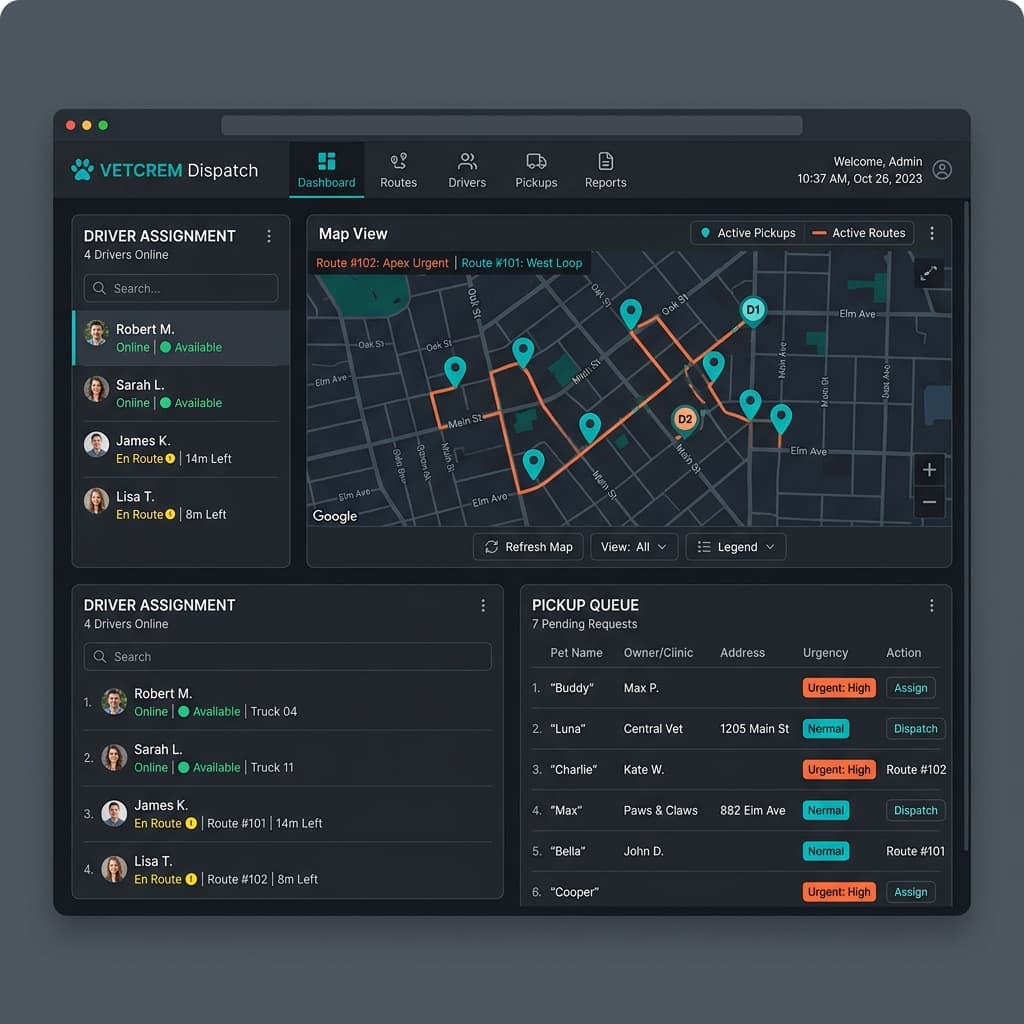
- Pickup scheduling: offer the nearest available driver window with live ETA.
- Confirmation: dispatch the driver silently, text the family the technician name and tracking link.
- Payment: collect deposit or full payment via secure SMS link before the driver departs.
The entire call should take three to five minutes. Longer calls may indicate the family needs more emotional support; shorter calls may mean the AI rushed past critical details. Both extremes reduce trust.
Intake Fields That Prevent Morning Chaos
Weekend pickups that arrive at the crematory with incomplete information create Monday-morning bottlenecks. The morning manager should not need to call the family back to confirm service type or hunt down a missing address.
- -Pet name (used throughout the call — never 'your pet' or 'the remains')
- -Species and approximate weight (affects transport equipment and cremation pricing)
- -Exact pickup address with validated GPS coordinates
- -Access instructions: gate codes, apartment number, parking restrictions
- -Service type: private, communal, or undecided (flag for morning follow-up)
- -Special requests: fur clipping, paw print, urn selection, veterinary clinic origin
- -Family contact: primary phone and whether a second family member should receive updates
- -Payment status: deposit collected, full payment, or invoice pending
PetPickupNow operators using AI dispatch capture these fields during the initial call so the driver arrives with a complete work order and the morning staff sees a fully logged intake on the facility dashboard.
Routing Weekend and On-Call Drivers
Weekend driver routing differs from weekday operations. You may have one on-call driver covering an entire metro area, or a reduced fleet with longer response windows. The dispatch system must account for this without overpromising ETAs.
| Scenario | Driver Availability | Target Response | Dispatch Action |
|---|---|---|---|
| Saturday 2 PM, home pickup | On-call driver available | 60–90 minutes | Direct route assignment |
| Saturday 10 PM, home pickup | Single on-call driver | 90–120 minutes | Route + family tracking link |
| Sunday 6 AM, clinic pickup | On-call or first-shift driver | 45–60 minutes | Priority clinic dispatch |
| Sunday 8 PM, two concurrent calls | One driver active | Stagger ETAs honestly | Second call queued with transparent wait |
Honest ETAs build more trust than optimistic ones that slip. The AI should offer the real window — "Our technician Sarah can arrive between 8:30 and 9:15 PM" — and send a live tracking link so the family is not staring out the window wondering if they were forgotten.
Concurrent call handling: Two families calling simultaneously on a Sunday evening is common after a regional veterinary emergency clinic refers multiple clients. AI handles both calls at once with the same empathetic tone — something a single on-call human cannot do.
Chain of Custody Starts at Intake
The most catastrophic failure in pet aftercare is a remains mix-up. Weekend operations amplify this risk because tired drivers, handwritten tags, and paper logs are more common when staffing is thin.
Digital chain of custody should begin the moment intake is confirmed:
- Barcode tag assigned at intake: The AI-generated work order includes a serialized tracking ID linked to the pet's name and service type.
- Driver scan at pickup: The mobile app requires a barcode scan before the driver leaves the family's home.
- Facility scan at receipt: Cold storage intake triggers a second scan, confirming the remains match the digital record.
- Immutable audit trail: Every scan logs GPS coordinates, timestamp, and handler identity.
When the family asks "Are you sure this is Bella?" the operator can produce a timestamped digital record proving continuous custody from pickup through cremation. That confidence is worth more than any marketing campaign.
Compassionate Automation vs. Generic Answering
Many crematories use medical answering services for weekend coverage. The difference in outcomes is measurable:
| Feature | Generic Answering Service | Pet Loss AI Agent |
|---|---|---|
| Speed to answer | 45–120 seconds | Under 3 seconds |
| Tone consistency | Variable by operator | Calibrated empathy every call |
| Pet name retention | Often lost in transfer | Used throughout the conversation |
| Dispatch capability | Sends a pager or email | Routes driver with GPS and ETA |
| Concurrent calls | Queues or drops | Handles unlimited simultaneous intake |
PetPickupNow demonstrates this DispatchNode workflow for pet crematory operators — AI trained on pet loss terminology and grief-appropriate conversation, not a generic call center script.
The Monday Morning Handoff
A successful weekend pickup should integrate seamlessly into weekday crematory operations. The morning manager's dashboard should show:
- Every pet removed overnight with service type, special requests, and payment status
- Barcode-tracked location in cold storage
- Any flagged follow-ups (undecided service type, pending urn selection, veterinary clinic coordination)
No phone calls back to grieving families to re-confirm details they already provided at midnight. No guessing which transport bag belongs to which pet. The weekend shift becomes revenue-generating instead of liability-creating.
Weekend Pet Loss Intake Checklist
Before deploying weekend AI intake, confirm these elements are configured:
- -On-call driver schedule loaded with coverage zones and response SLAs
- -Service pricing and urn options uploaded to the AI knowledge base
- -Barcode tag inventory stocked in every transport vehicle
- -SMS payment links tested for deposit collection before dispatch
- -Escalation protocol defined for callers in acute emotional distress
- -Morning dashboard notifications enabled for overnight intake summary
For more on after-hours dispatch architecture, read our guide on After-Hours Pet Cremation Dispatch Software.
Keep reading: